800 million children globally are lead poisoned.
New research indicates lead-acid battery recycling causes as many as one-third of all lead poisoning cases.
Standards– There is no easily understandable and consistently applied global standard on what safe recycling looks like.
Infrastructure– Recycling plants often lack the resources and equipment needed to operate safely.
Transparency– Buyers of lead may not know where their lead comes from, so they don't have the ability to choose safer recyclers.
Enforcement– Weak enforcement of laws lets unsafe recyclers continue to undercut more responsible ones.
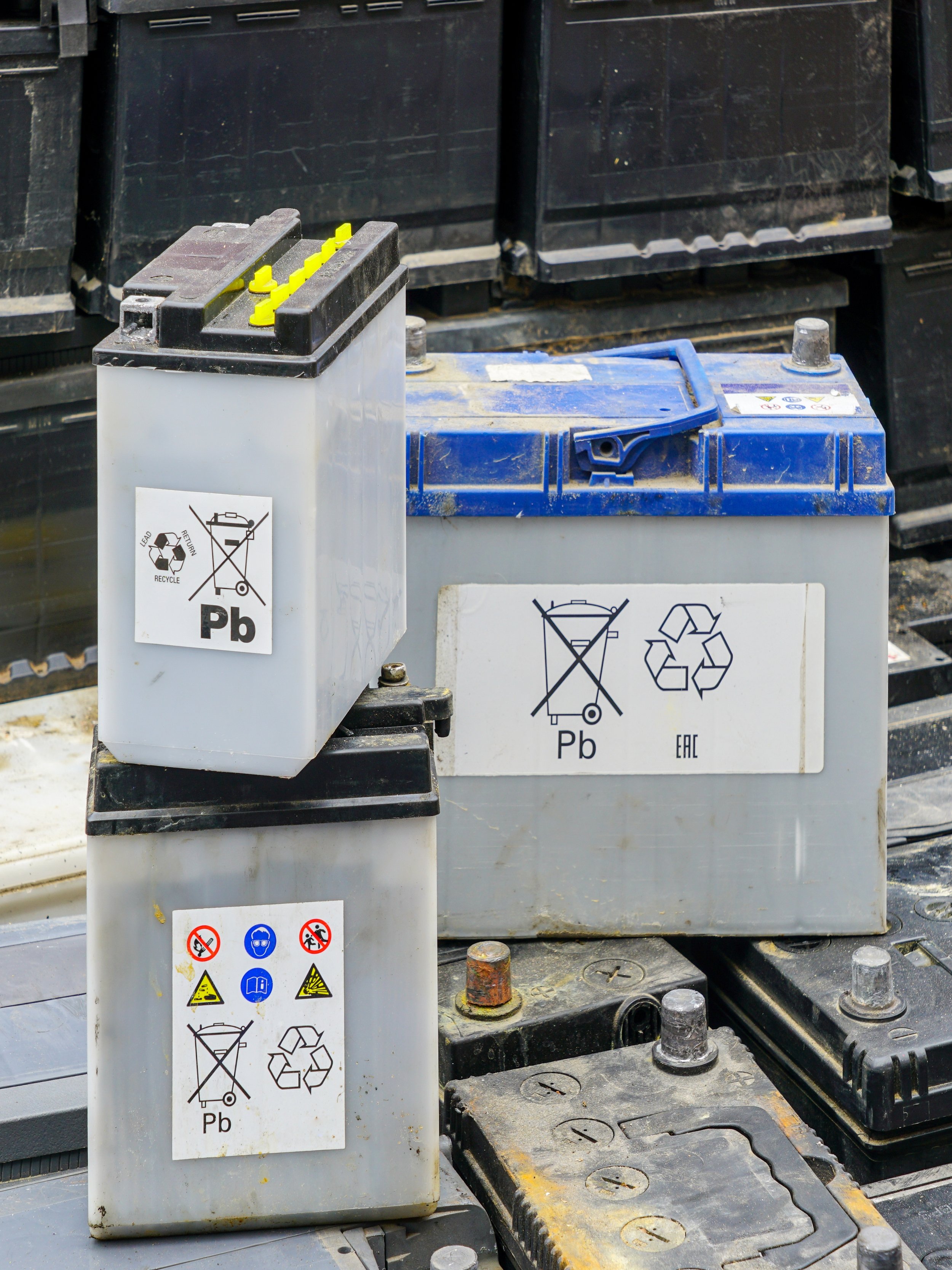
Unsafe recycling of used vehicle and industrial batteries is a major, fixable source of this poisoning. We know how to recycle batteries safely—many countries already do it. The problem isn't technology. It's often more profitable in low-income, unregulated settings to recycle lead unsafely and poison communities. Four factors make recycling unsafely more profitable right now:
Our Approach
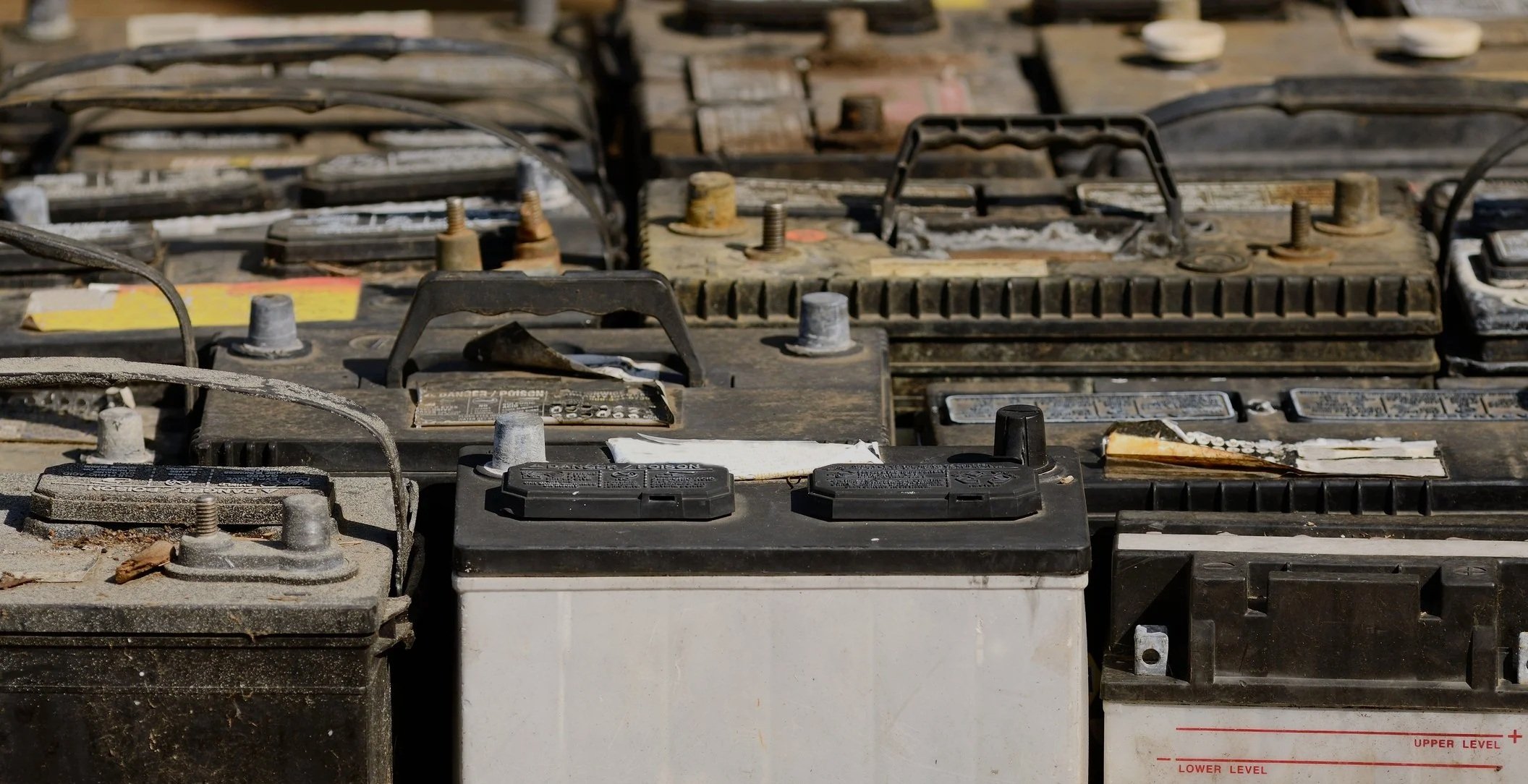
We consolidate battery recycling to fewer, safer facilities by creating transparency and changing market incentives—making safer recycling more profitable than unsafe recycling in low-income countries.
Our vision is that by 2040, most of the world's unsafe lead-acid battery recycling will be eliminated. We will achieve this ambitious goal in partnership with local communities, governments, and companies by exploring incentive strategies that rebuild battery supply chains around proven, safer practices.
How Pb Action Engages with the Problem:
-
We accelerate the applied research needed to make safer ULAB recycling the norm. Through our Learning Agenda, we will publish a collectively endorsed list of priority research questions, track emerging work in an interactive dashboard, and connect funders and researchers to close the most critical gaps—ensuring findings translate into real-world action.
-
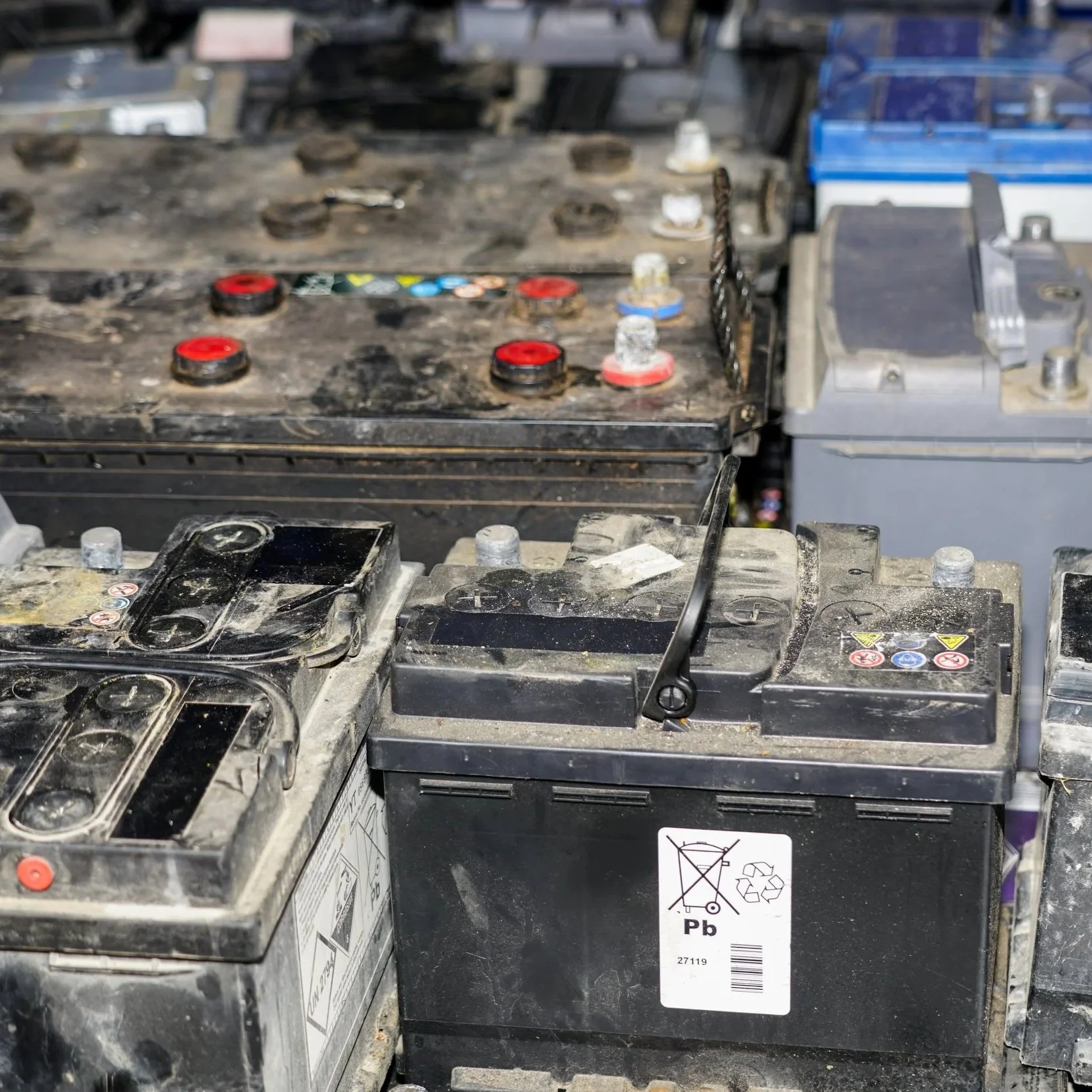
We assess which recyclers operate safely using a fit-for-purpose tiering methodology and will share this information through the Battery Index—our public database that will help governments, investors, and buyers identify responsible sourcing partners and avoid unsafe ones.
-
We research how recycled lead flows from facilities in lower-income countries through global supply chains to buyers in major markets. By building a clearer picture of these supply chains, we help buyers understand where their lead comes from and identify opportunities to source more responsibly.
-
We work to make safer recycling financially viable by pairing Battery Index data with targeted market interventions—piloting approaches that create more business opportunities for safer recyclers, open new investment pathways, and support local regulators in taking action against the worst actors.
Our Partners
We work in partnership with other non-governmental organizations, researchers, governments, and industry and believe that the elimination of one of the largest sources of lead poisoning will only be achieved by cross-sector collaboration. Pb Action receives fiscal sponsorship and incubation support from GDI.